
Rechargeable Vape Waste: The Bin-Fire Audit After The Single-Use Ban
The LGA says disposable-style rechargeable vapes are still fuelling waste-fire risk. A UK audit guide for councils, retailers and adult vapers.
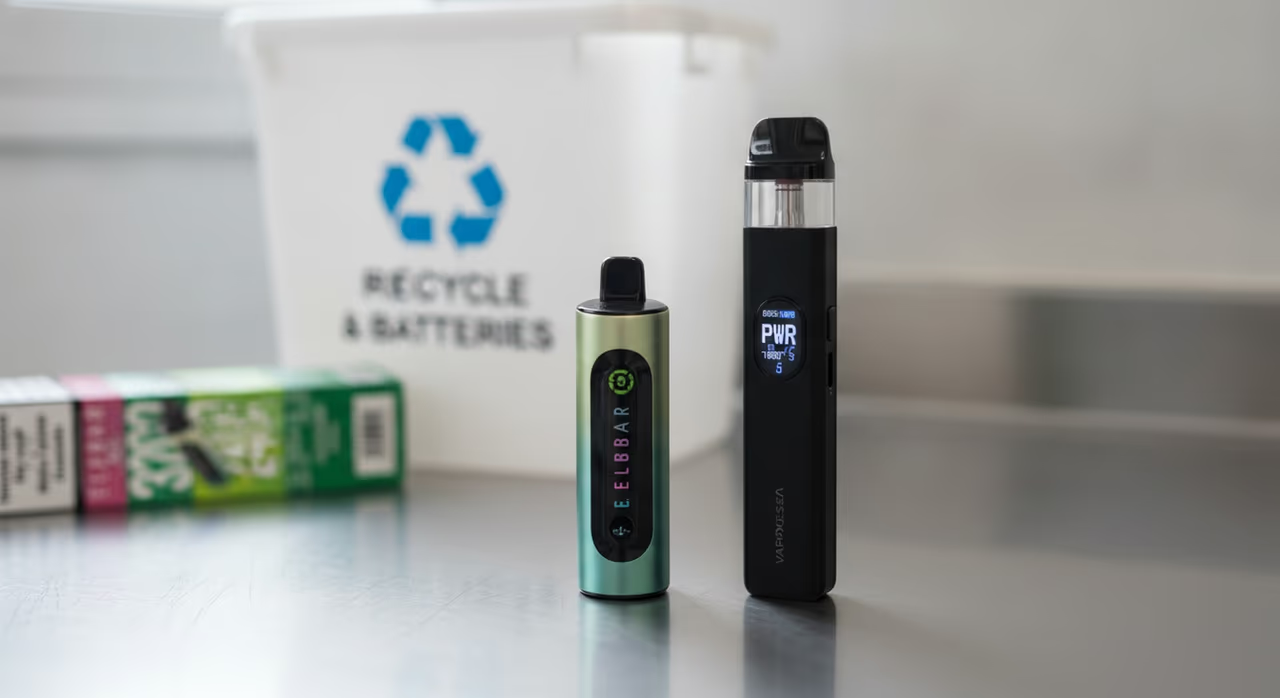
The LGA's latest warning is not just another disposable-vape-ban explainer. It says disposable-style rechargeable vapes are still entering household waste and helping drive bin-lorry, recycling and waste-centre fire risk.
The refresh angle is enforcement follow-through: councils want tighter definitions, stronger retailer take-back, better producer responsibility and clearer public awareness.
Retailers should audit take-back visibility, staff process, used-pod handling, online recycling signposting and evidence that replacement pods or refills are genuinely available.
Adult vapers should keep used vapes, pods, coils and batteries out of household bins and use retailer take-back or local recycling routes.
The UK single-use vape ban has been in force since 1 June 2025. A year later, the Local Government Association is warning that the next problem is less about classic disposables and more about products that look reusable on paper but behave like throwaway devices in the waste stream.
That distinction matters. A simple loophole explainer asks whether a rechargeable vape fits the legal definition. This refresh asks what councils, retailers and adult consumers do next: how take-back is signposted, how waste is separated, how staff handle returns, and whether post-ban products are still ending up in bin lorries.
The LGA says the volume of discarded vapes and pods has fallen from the pre-ban level, but Material Focus still reports millions being thrown away each week. The LGA also links rechargeable vape batteries with fires when devices are crushed or damaged in waste handling.
This is not legal advice and it is not a claim that one disposal route removes every risk. It is a source-led prevention audit for adult vapers, retailers and councils trying to keep rechargeable devices out of household waste.
What Changed After The Ban

GOV.UK guidance says it is illegal for businesses to sell, supply, offer to sell or stock single-use vapes for sale, and that the ban applies online and in shops across nicotine and non-nicotine products. Reusable vapes can still be sold, but the definition is specific: a reusable product needs a rechargeable battery, a refillable container such as a tank, pod or cartridge, and a removable and replaceable coil where a coil is present.
The LGA's concern is what happens when the market shifts into rechargeable products that are still designed, priced and used in a disposable-style way. In its 1 June 2026 warning, the LGA says rechargeable vapes are still being placed in household waste and that lithium-ion batteries can spark when crushed or damaged.
Material Focus data gives the scale of the problem. Its latest release says 6.3 million vapes and pods are thrown away each week, down from 8.2 million before the ban but still high enough to put pressure on councils, waste operators and retailer take-back systems.
That is why the more useful article now is not "are disposables banned?" The better question is: if a device technically survives the ban, is the waste system actually catching it before it reaches a household bin, recycling load or refuse vehicle?
The Enforcement-Follow-Through Gap
The LGA is asking government to tighten the definition of single-use vapes so disposable-style products are captured, strengthen and enforce retail take-back schemes, increase producer fees under WEEE rules, and run a public awareness campaign on vape and lithium-ion battery disposal.
Those asks point to a gap between a product ban and a waste-prevention system. Trading Standards can enforce the single-use sales ban, but the LGA's warning is about the wider chain: manufacturers designing products, retailers selling them, consumers returning or discarding them, and councils dealing with the final waste load.
GOV.UK's business guidance already says vape sellers must offer a take-back service and accept vapes and vape parts such as used pods, coils or batteries for recycling. It also says the Office for Product Safety and Standards may take action where a seller does not have a way to recycle vapes and vape parts properly.
That makes the retailer counter and website part of the prevention system. A take-back obligation is much weaker in practice if adult customers cannot see where returns go, staff do not know what to accept, online buyers never see a recycling instruction, or used pods and batteries are stored in ordinary waste areas.
Retailer Prevention Audit

Retailers do not need to wait for another headline before checking the basics. The practical audit is whether a customer can understand, use and trust the return route before a device reaches the wrong bin.

- Check take-back visibility: make sure the return point is signposted in store and, for online sales, explained on product, delivery, returns or recycling pages.
- Check staff scripts: staff should know that used vapes, pods, coils and batteries need a dedicated return route and should not be treated as ordinary rubbish.
- Check online evidence: GOV.UK says businesses may need to show reusable-product checks, including that individual refill items are separately available for customers to buy.
- Check storage: returned devices and components should be separated from general waste and collected through an appropriate recycling service.
- Check supplier records: keep dated evidence of product checks, refill availability, recycling arrangements and any communications with compliance schemes or waste contractors.
- Check customer wording: use plain disposal instructions, not promotional copy or unsupported claims about environmental impact.
The audit should include prefilled-pod devices and rechargeable big-puff formats, not only products labelled disposable. A rechargeable battery does not help the waste chain if the device is still treated as something to throw away after the liquid is finished.
Council And Waste-Service Messaging
Councils have a different job from retailers. They need public messages that are clear enough to change bin behaviour without sounding like a product advert or a legal ruling on individual devices.
The useful message is direct: vapes are electrical items, batteries can cause fires when crushed or damaged, and used devices, pods, coils and batteries should not go into household rubbish or mixed recycling. Residents should use retailer take-back, dedicated vape bins or local recycling routes shown by their council or waste service.
Good council messaging can also close a common misunderstanding. The word "rechargeable" does not mean "put it in normal recycling". It usually means the device contains a battery and needs an electrical or battery-aware route. GOV.UK's vape guidance says vapes are electrical items whether single-use or reusable, which puts them within the WEEE framework.
For local authorities, the follow-through metric is not only whether a web page exists. It is whether the message appears where residents actually make disposal decisions: bin calendars, recycling apps, household waste centre pages, vape-shop partnerships, social posts after local fires and clear signage near electrical-waste points.
What Adult Vapers Should Do

For adult vapers, the practical rule is simple: do not put used vapes, pods, coils or batteries in household bins or ordinary mixed recycling. Treat them as electrical and battery-containing waste unless official local guidance says otherwise.
- Keep used vapes, pods and coils separate from household rubbish while you check the right return route.
- Use retailer take-back where available; GOV.UK says vape distributors must offer a take-back service for vapes and vape parts.
- Check your council's household waste and recycling pages for local electrical-waste or battery instructions.
- Do not crush, dismantle or puncture devices or batteries to make them fit a bin or bag.
- If a store sells rechargeable or pod-based devices, ask where used pods, coils and devices should be returned.
The point is not to make adult consumers responsible for a whole waste system. Producers, retailers, councils and regulators all have roles. But the final household decision still matters because a small battery in the wrong waste stream can become a costly problem for crews and facilities downstream.
Where The Loophole Debate Goes Next
The LGA's proposed changes would move the debate from headline compliance to lifecycle responsibility. A product that is rechargeable, refillable or pod-based may pass one definition test while still creating a throwaway waste pattern if refills are hard to find, take-back is invisible or the price point encourages short use.
That is the wedge for this refresh. It does not duplicate the deleted loophole explainer. It gives the CMO and Editor a sharper follow-up: audit the prevention chain rather than re-explain the ban.
Post-ban prevention audit
FAQ
Are single-use vapes banned in the UK?
Yes. GOV.UK says the ban on selling or supplying single-use vapes came into force on 1 June 2025 and applies online and in shops, whether or not the products contain nicotine.
Why is the LGA still worried after the ban?
The LGA says the market has shifted toward rechargeable vapes that can still be used and discarded in a disposable-style way. It links these products with vape waste and lithium-ion battery fire risk in bin lorries, recycling and waste sites.
Do vape retailers have to take used vapes back?
GOV.UK guidance says vape distributors must offer a take-back service and accept vapes and vape parts such as used pods, coils or batteries that customers return for recycling.
Can adult vapers put rechargeable vapes in household recycling?
No general household-bin route should be assumed. GOV.UK says vapes are electrical items whether single-use or reusable, so adult consumers should use retailer take-back or local electrical-waste guidance.
Is this legal advice for retailers or councils?
No. It is an editorial guide based on published sources. Retailers, producers and councils should follow official guidance and get their own compliance advice where needed.
Source References
- Local Government Association: LGA warns loophole in single-use vapes ban is fuelling bin lorry fires
- GOV.UK: Single-use vapes ban: information for businesses
- GOV.UK: Regulations: Waste Electrical and Electronic Equipment (WEEE)
- GOV.UK: Regulations: waste batteries
- Material Focus: 6m vapes and pods are thrown away every week despite the vape ban