Synthetic-drug vapes warning: what UK adults should know
A careful UK explainer on illicit THC, Spice and opioid-risk vape warnings, without confusing them with regulated nicotine products.
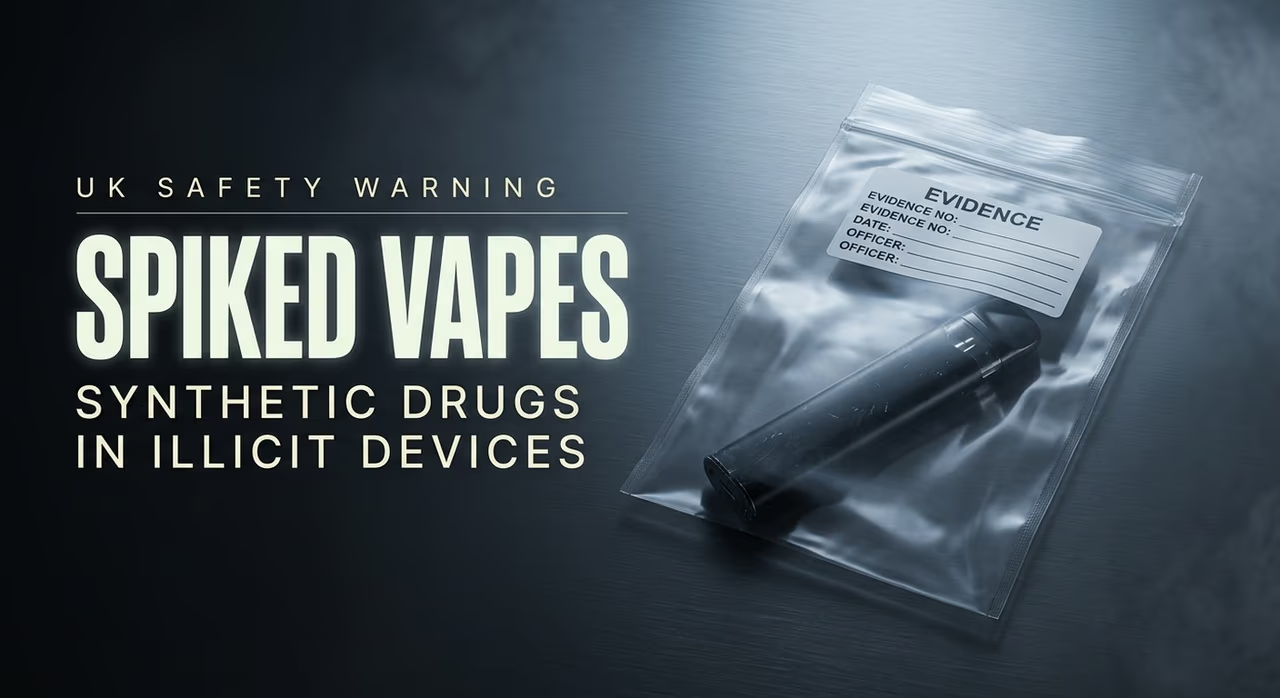
Recent European and UK warnings about drug-laced vapes are about illicit or mis-sold devices, not ordinary regulated nicotine products. The practical message for adults is to avoid unverified THC or cannabis-style vape liquids, treat unknown devices as suspect, and report concerns rather than testing the product yourself.
Retailers should keep the distinction clear: legal nicotine compliance checks do not make an illicit THC, Spice or opioid-risk device lawful, and alarmist wording should not imply that notified nicotine vapes contain those substances.
Quick answer: if a vape is being sold as THC, cannabis oil, "Spice", a drug high or an unlabelled liquid, do not treat it like a normal nicotine vape. It sits outside the regulated nicotine-vaping conversation and should be treated as a potential illicit-drug or product-safety issue.
The European Union Drugs Agency's 2026 drug report highlights a fast-moving market for new psychoactive substances. Its new-psychoactive-substances analysis says edibles and vape products containing synthetic or semi-synthetic cannabinoids accounted for around 37% of seized material reported in that category, amounting to 1.9 tonnes across 18 countries. EUDA also warns that the popularity of vapes among adolescents could increasingly make them a vehicle for harmful substances, including new synthetic opioids.
That does not mean a compliant UK nicotine vape should be described as containing Spice, THC or opioids. It means adults, retailers and parents need sharper language: regulated nicotine products, illegal cannabis-style vapes and drug-laced devices are different risk categories.
Do not confuse illicit drug vapes with regulated nicotine products

Regulated nicotine products and suspect illicit drug devices should be treated as separate risk categories.
Most UK adult vapers are dealing with nicotine products: e-liquids, pods or devices that should meet UK notification, labelling, strength, age-of-sale and supply rules. Those products are not made lawful by being fashionable, and notification is not a health endorsement, but they are at least inside a defined consumer-product framework.
Drug-laced or cannabis-style vapes are different. FRANK's public drug information page says substances such as CBD or THC may be sold as ready-made vapes or vape juices, may resemble e-cigarettes and nicotine vaping devices, and may claim to contain cannabis chemicals while instead containing synthetic cannabinoids such as Spice. FRANK also notes that illicit vapes have in some cases been found to contain other drugs such as ketamine.
NHS Inform explains synthetic cannabinoids as lab-made drugs designed to mimic cannabis, but more harmful and unpredictable than cannabis. It also says synthetic cannabinoids can be made into a concentrated liquid for use in vapes. That is the key distinction: the form factor may look like a vape, but the issue is the illicit substance and the uncontrolled supply route.
Different vape-related risk categories
What the 2026 European warning adds
The EUDA report is useful because it moves the story away from isolated anecdotes. Its 2026 material describes a market where new psychoactive substances keep appearing and where drug products are increasingly diverse. The report says 50 new psychoactive substances were formally notified for the first time in Europe in 2025, bringing the total monitored by EUDA to 1,050.
For vapes specifically, EUDA's new-psychoactive-substances page reports seized edibles and vape products containing synthetic or semi-synthetic cannabinoids across 18 countries. Its wider 2026 report also flags concern that vaping products could become vehicles for harmful substances, including synthetic opioids, because the devices are familiar and easy to disguise.
The UK relevance is careful and narrow. The EUDA report is not a UK retail-vape register. It does not say every vape shop product is drug-laced. It does support a clear warning: illicit suppliers can use the look and convenience of vape devices to sell substances that are not what the user thinks they are buying.
Warning signs that deserve escalation

Retailers should isolate and record suspect devices rather than testing or reselling them.
Adults should be cautious with any vape device or liquid that is sold as THC, cannabis oil, a legal high, Spice, synthetic cannabis, an opioid-style effect, or a substance with no clear nicotine-product labelling. FRANK's vapes page is direct that products claiming to contain cannabis chemicals may instead contain synthetic cannabinoids and may also have been found with other drugs.
Retailers should also watch for ordinary product-compliance failures that can sit alongside drug-risk warning signs: no UK distributor details, no batch trail, no proper nicotine warning where one should exist, unusual packaging, unverifiable supplier documents, devices that do not match the invoice, and staff or customer reports of unexpected effects.
- Do not test a suspect liquid yourself. Unknown drug content cannot be checked by taste, smell or a casual puff.
- Do not resell or give away a suspect device. Isolate it from normal stock or personal items while seeking advice.
- Do not describe the issue as a normal nicotine-vape problem. Keep records clear: suspected THC, Spice, synthetic cannabinoid or other illicit substance where relevant.
- Get urgent help if someone is unwell. Severe drowsiness, agitation, breathing difficulty, collapse, seizures or unusual reactions need medical support.
- Report suspicious supply. Retailers can speak to Trading Standards or local police; consumers can use official advice routes such as FRANK and local reporting channels.
What adults and retailers should do with a suspect device

Keep suspect devices, packaging and supplier details together before reporting concerns.
The practical response is simple: separate, record and report. If you are an adult consumer and a device was sold as THC, cannabis oil or a drug effect, the safest decision is not to use it. If someone has already used it and feels unwell, treat that as a health issue rather than a product-review issue.
For retailers, suspect stock should be removed from sale while the source is checked. Keep the device, packaging, invoice and supplier details together. Record when it arrived, who supplied it, what claim was made, and whether anyone reported adverse effects. Do not try to prove the contents in-house.
The Public Health Agency in Northern Ireland has previously warned that people may think they are buying cannabis oil or THC to vape but find it is actually Spice. Its advice is a useful model: there is no reliable way for a user to know what has been sold to them, and some people only find out after serious effects.
How to talk about the risk without spreading confusion
Language matters. A headline that says "vapes contain opioids" may win attention, but it can mislead readers if it collapses legal nicotine products and illicit drug devices into one category. The more accurate framing is "illicit or mis-sold vape devices may be used to deliver synthetic cannabinoids, semi-synthetic cannabinoids or other drugs".
That distinction protects adult readers and keeps compliance claims cleaner. A responsible vape retailer should not minimise illicit-drug risk, but it should also avoid implying that its notified nicotine products are somehow tested for every illegal drug unless it has specific evidence. Equally, it should not use drug-laced-vape warnings as a marketing point to claim its own products are safe or risk-free.
For The Vapour Hut readers, the useful editorial line is this: buy nicotine products only through accountable adult retailers with UK-compliant labelling and supplier evidence; avoid unverified THC or cannabis-style vape liquids; and escalate suspect products rather than experimenting with them.
FAQ
The verdict
Drug-laced vape warnings should not be ignored, but they need precise handling. The risk is not that the UK nicotine-vape rules have suddenly changed. The risk is that illicit suppliers can use familiar vape hardware to sell substances that are not controlled, labelled or what the buyer expects.
For adults, avoid unverified THC, cannabis-style or drug-effect vape products and seek help if someone becomes unwell. For retailers, keep suspect devices out of stock, preserve evidence and escalate. For writers and marketers, keep the categories separate: do not turn an illicit-drug warning into a claim about ordinary regulated nicotine products, and do not turn compliance into a safety promise.
Source references
EUDA: New psychoactive substances - the current situation in Europe
EUDA: European Drug Report 2026
EUDA: New health risks in a fast-moving drug market
FRANK: Vapes
FRANK: Synthetic cannabinoids
NHS Inform: Synthetic cannabinoids (Spice)
HSC Public Health Agency: Spice vaping warning issued