Illegal vape shops keep reopening under new names. Councils are shutting them down again.
Councils in Stoke, Reading and Southwark are using repeat inspections, test purchases and closure orders when illegal vape and tobacco shops reopen under new names.
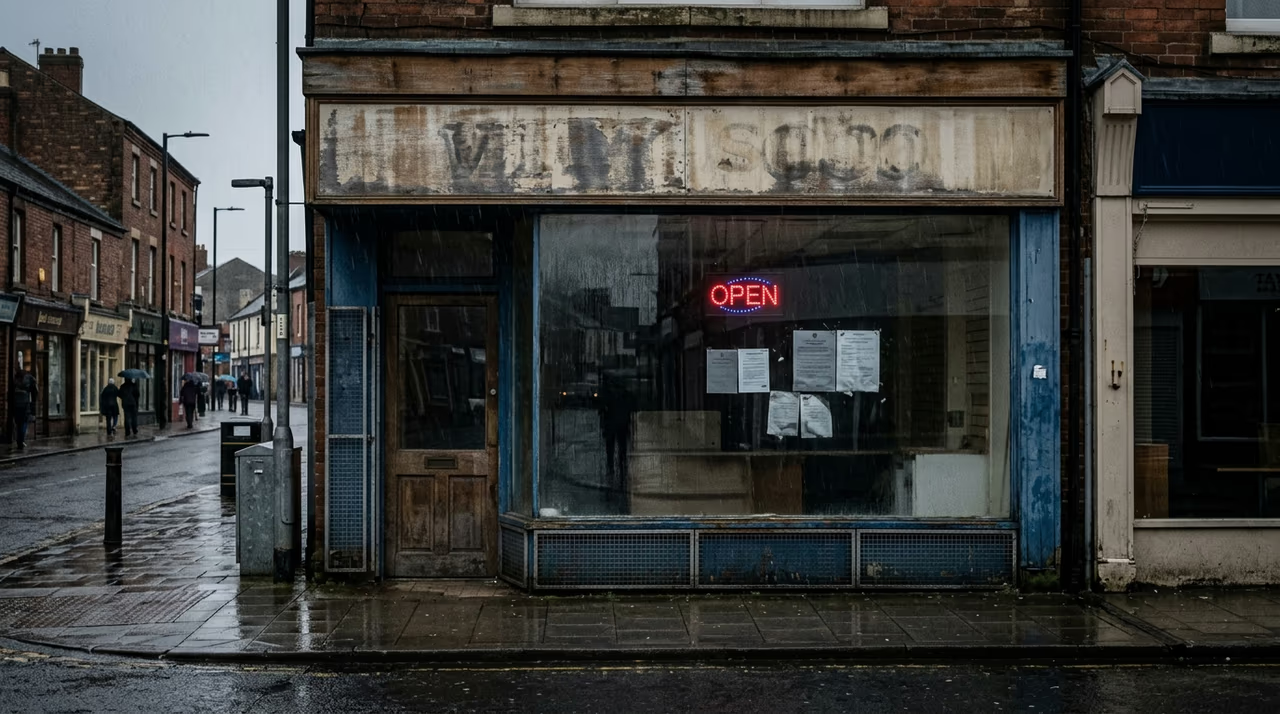
Illegal vape shop enforcement is becoming more visible, and in some places it is moving beyond product seizures. Recent official cases show councils, Trading Standards teams and police using shop closure orders, court costs and financial penalties where premises are linked to repeated illegal sales or wider illicit tobacco and vape activity.
This article is about specific premises and specific conduct: non-compliant products, illicit tobacco, alleged sales to children, hidden stock, repeated offending after previous enforcement and, in one case, financial recovery through the courts. It is not a claim that vaping in general is being banned, and it is not a claim that every vape shop is under suspicion.
How councils build repeat-offender cases

Enforcement usually builds gradually. Councils and Trading Standards teams rely on intelligence, test purchases, inspection visits, product seizures, warnings, witness statements and, where the legal threshold is met, closure-order action through the courts.
- Trading Standards inspections and follow-up visits
- covert test purchases and underage-sales checks
- seizure logs and evidence of concealed stock
- closure-order applications when problems keep returning
- costs or proceeds-of-crime action where the facts support it
The pattern matters because it shows repeat conduct, not just a one-off stock issue.
What illegal vapes can mean

The consumer-product rules are detailed, but the core point is simple: nicotine-containing e-cigarettes and refill containers must be properly notified and published by the MHRA before they are sold. Retailers should not rely on a supplier pitch alone.
- nicotine strength no higher than 20mg/ml
- e-cigarette tanks or devices limited to 2ml capacity where the rule applies
- nicotine-containing refill containers limited to 10ml
- required health warnings, labelling and information
- child-resistant and tamper-evident packaging for nicotine-containing products
- restrictions on certain ingredients
- no sales to under-18s
A product can fail on more than one point at once, and it can be sold in a shop where other illegal tobacco or vape activity is also happening.
Why reopening does not reset the clock
The repeat-offender angle is visible in places such as Stoke, Reading and Southwark, where official sources describe premises reopening, rebranding or continuing under a new trading name after earlier enforcement.
That is why the shop sign matters less than the premises history. A new fascia does not wipe the underlying enforcement record. For the wider context, see our closure-order explainer.
Landlords are being pulled into the conversation
Landlords are also being told to pay attention. Official warnings in North Somerset and similar council actions elsewhere make clear that property owners can end up dealing with the consequences of persistent illegal use at a site.
For a broader picture of how enforcement pressure affects the high street, read The Death of High Street Vape Shops.
What adult vapers should take from this
Most vape shops are legal. The issue here is repeat illegal conduct at specific premises. Adult buyers should look for obvious red flags, buy from responsible retailers and report concerns through Trading Standards or a local council route if they see illegal activity.
For the legal backdrop, our UK vape laws 2026 explainer covers the wider regulatory picture.
Sources
- Stoke-on-Trent City Council
- Reading Borough Council
- Southwark Council
- North Somerset Council
- GOV.UK / MHRA consumer product guidance
- GOV.UK single-use vapes ban guidance
- Anti-Social Behaviour, Crime and Policing Act 2014 on legislation.gov.uk
This article is an informational explainer, not legal advice. Enforcement powers and routes vary across the UK, and each case depends on its own facts.