Faulty Rechargeable Vape Kit? UK Refund, Repair And Warranty Basics
UK consumer-rights basics for faulty rechargeable vape kits: when to ask the retailer, what warranties add, and how to recycle unsafe devices.
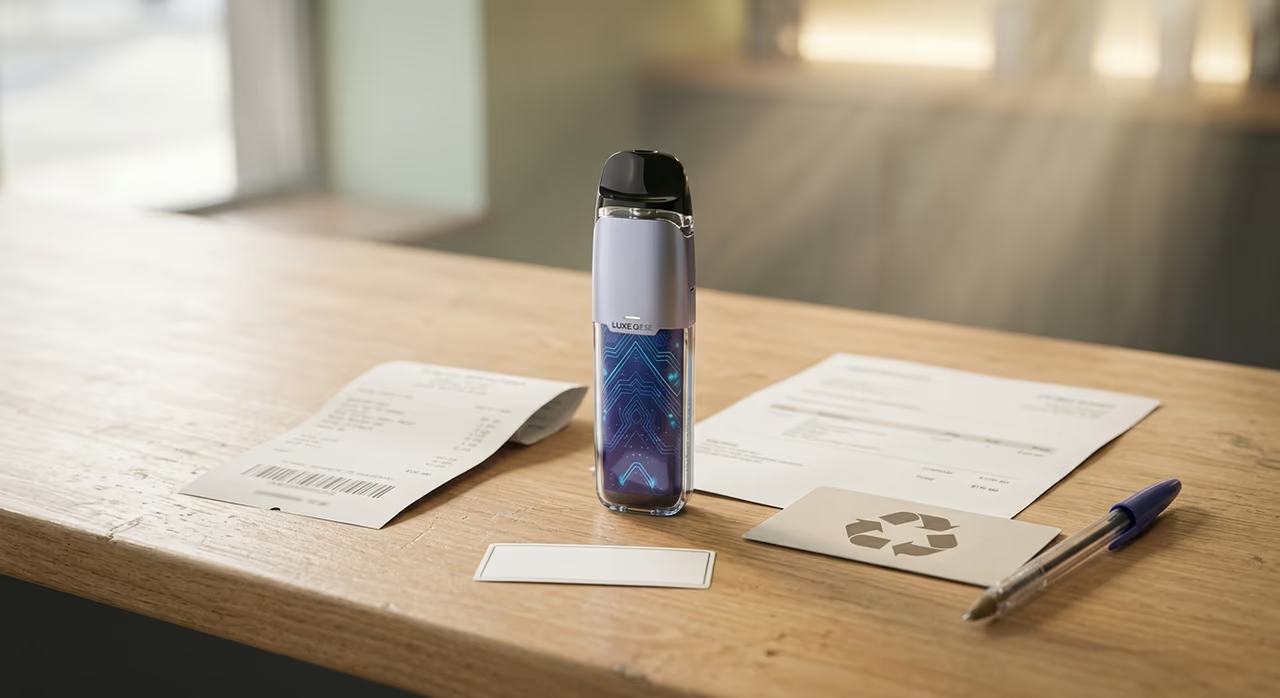
- If the rechargeable vape device itself is faulty, start with the retailer you bought it from, not the manufacturer.
- Keep the receipt or order email, stop using anything that overheats or looks damaged, and explain the fault clearly.
- Opened pods, coils and e-liquid are different from device hardware. Hygiene, wear, misuse and accidental damage can change the answer.
- A warranty can help, especially later, but Citizens Advice says warranties add to legal rights rather than replacing them.
- Do not put a faulty rechargeable vape in household waste. Use retailer take-back or local electrical-recycling routes.
A faulty rechargeable vape kit is frustrating because it sits between two worlds: it is an electrical device, but it is also used with pods, coils and e-liquid that can wear out, leak, taste burnt or be opened for hygiene-sensitive use.
The practical UK answer is to separate the problem first. If the device hardware is broken, dead, unsafe, not charging or not as described, your first route is usually the retailer. If the problem is a used pod, a burnt coil, accidental damage, wrong charging setup or an opened consumable, the return conversation is different.
This is a consumer-rights summary for adult UK readers, not legal advice. For a dispute, use Citizens Advice or the relevant consumer advice route for your nation.
Quick answer: what to do first
Stop using the kit if it feels unusually hot, smells burnt when it is not being used, has visible battery damage, swells, leaks battery fluid, auto-fires, or shows charging damage. Unplug it and contact the retailer for advice rather than trying repeated charging cycles.
- Find the receipt, order email or bank record showing where and when you bought it.
- Take clear photos or a short video showing the fault if it can be shown safely.
- Write down the model, colour, pod or coil used, charger used, purchase date and when the fault started.
- Contact the retailer first if the device hardware seems faulty.
- Say what remedy you are asking for: refund, repair, replacement or advice under the retailer's returns process.
Keep the message factual. A retailer can act more quickly on "the device will not charge using the supplied USB-C cable, bought on 3 July, order 12345" than on a vague complaint that the vape is "bad".
Is it actually faulty, or normal wear/misuse?

Citizens Advice says buyers may have rights if an item is broken or damaged, unusable or not fit for purpose, or not what was advertised. It also flags limits where the problem is wear and tear, an accident, misuse, or a fault the buyer knew about before purchase.
For vape kits, that distinction matters. A rechargeable device that will not power on, will not charge, has a dead screen, cannot recognise a pod, auto-fires, has a loose charging port from ordinary use, or arrives not as described may be a hardware fault. A pod that tastes burnt after heavy use, a coil that has reached the end of its life, a tank damaged by a drop, liquid leaked after incorrect fitting, or a device charged with an unsuitable power source may be treated differently. If the problem may be setup-related, our first pod kit setup guide explains the basic priming, filling and charging checks to separate user setup from a hardware fault.
- More likely to be device-fault territory: dead-on-arrival kit, charging failure, unsafe heat, auto-firing, screen failure, pod not detected despite compatible new pod, or supplied part missing.
- More likely to need a closer look: burnt taste, leaking pod, weak battery after months of use, physical impact damage, water damage, wrong cable or charger, or use outside the manual.
- Consumable rather than device: opened pod, coil, cartridge or e-liquid where the issue is flavour preference, normal coil life, hygiene-sensitive opening, or user filling error.
That does not mean a consumable can never be faulty. It means the evidence and remedy may be narrower. If a sealed pod arrives damaged, mislabelled or leaking in the pack, explain that exact issue rather than treating it like a device warranty claim.
Refund, repair or replacement: the retailer route

For a faulty rechargeable device, start with the retailer because your contract is normally with the seller. Citizens Advice uses the simple framework of refund, repair or replacement where something has gone wrong with an item.
That first message should include proof of purchase, a concise description, the timeline and what you want the retailer to do. Avoid overclaiming. You do not need to say every fault automatically means an instant refund. You do need to make clear why you think the item is faulty rather than worn, damaged or used incorrectly.
"I bought this rechargeable vape kit from you on [date], order [number]. The device [fault]. I have used it according to the instructions and can provide photos/video. Please advise whether you will refund, repair or replace it under your faulty-goods process."
If the shop says to contact the manufacturer, that may be useful for technical support or a warranty route, but it should not automatically end the retailer conversation. Citizens Advice is the better place to check the exact consumer-rights position for your circumstances.
When a warranty helps
A warranty is not the same thing as your basic consumer-rights route. Citizens Advice says warranties and guarantees add to legal rights. It also says they can be useful after the first six months, when proving you did not cause the problem may be harder.
Vape kit warranties vary by brand and retailer. Some cover the device body for a limited period but exclude pods, coils, tanks, cosmetic damage, accidental damage, water damage, unauthorised repair, or use with unsuitable chargers. For an example of the kind of rechargeable pod-kit hardware this applies to, see our Aspire Pixo UK value check. Some require serial numbers, original packaging, registration, photos or return postage.
- Read the warranty leaflet or retailer warranty page before sending anything back.
- Check whether the warranty is from the retailer, distributor or manufacturer.
- Look for exclusions covering pods, coils, tanks, batteries, misuse, liquid damage and charging damage.
- Keep screenshots of the warranty terms as they appeared when you made the claim.
- If the warranty route is unclear, ask the retailer how it interacts with your faulty-goods options.

A warranty can be the fastest route for a straight device swap, but it should not be written into your complaint as if it is the only route. Keep the two ideas separate: retailer rights for faulty goods, and extra warranty support where it applies.
Opened pods, e-liquid and hygiene-sensitive consumables
Rechargeable kits often come with pods or use separate cartridges and e-liquid. Those parts create the hardest return conversations because they are handled, filled, mouthed or opened. Treat them differently from the rechargeable device body.
If a sealed pack is damaged, misdescribed, missing parts or visibly leaking before use, explain that. If a pod has been opened and used, the retailer may need to consider hygiene, contamination, normal wear and whether the problem was caused by filling, priming, storage or device setup.
Do not assume that disliking a flavour, finding a coil burnt after use, or changing your mind about a nicotine strength gives the same position as a dead-on-arrival device. Check the retailer's policy and Citizens Advice if you are unsure.
Safety and recycling: when to stop using the device

Some faults are not ordinary returns problems. If a rechargeable vape overheats, swells, leaks battery fluid, smells abnormal while idle, has a crushed battery area, sparks, auto-fires or shows charging-port damage, stop using it and unplug it if safe to do so.
Do not keep troubleshooting a device with battery warning signs. Set it aside safely, keep it away from flammable material, and ask the retailer or relevant product-safety route what to do next.
Disposal matters too. GOV.UK's WEEE guidance says distributors, including retailers, have take-back obligations for waste electrical and electronic equipment. It also says retailers selling vapes have specific obligations for collection and recycling. The practical takeaway for consumers is simple: do not put a faulty rechargeable vape in household waste.
Use the shop's take-back route, local electrical-recycling guidance or a proper vape-recycling route. If the device has battery-damage symptoms, ask for safe handling advice before travelling with it or putting it into a collection box.
Why councils care about rechargeable vape waste
The single-use vape ban changed the retail landscape, but it did not make waste disappear. GOV.UK guidance says that since 1 June 2025 businesses cannot sell, offer to sell or stock single-use vapes for sale or supply, while reusable vapes can still be sold if they meet the rules.
That is why local policy debates now look beyond classic disposables. Norwich City Council's 30 June 2026 meeting papers include a motion on tackling vape waste. The motion calls on Government to introduce a mandatory deposit-return scheme for vapes, including a minimum GBP5 refundable deposit and retailer acceptance of returned devices.
That is local policy context, not national law. UK buyers should not read the Norwich motion as meaning there is already a UK-wide GBP5 vape deposit. The useful point is broader: councils are worried about battery waste, bin fires, and rechargeable devices that look disposable in practice.
Checklist before contacting the shop
- Retailer name and purchase channel.
- Order number, receipt or bank record.
- Purchase date and delivery date.
- Exact kit model, colour and serial/batch number if visible.
- What happened, when it started, and whether it happened from first use.
- Photos or video, taken only if safe.
- Cable, charger and pod/coil used.
- Whether the product was dropped, exposed to water or physically damaged.
- Whether the issue is device hardware, pod/coil, e-liquid or packaging.
- The remedy you are asking for: refund, repair, replacement or warranty instructions.
FAQ
What this means for UK buyers
A faulty rechargeable vape kit is easiest to handle when you separate device hardware from consumables. For a device that arrives broken, will not charge, does not match the listing or develops a clear fault, keep the evidence and start with the retailer. For pods, coils and e-liquid, be more precise about whether the issue is sealed-package damage, normal wear, hygiene-sensitive opening or misuse.
The best next step is practical: stop using unsafe devices, gather your proof, write a short factual message, and use Citizens Advice if the retailer response does not match the problem. Then recycle the device through a proper take-back route rather than putting it in the bin.
Source references
- Citizens Advice: Return faulty goods
- Citizens Advice: Claim using a warranty or guarantee
- GOV.UK: Single-use vapes ban information for businesses
- GOV.UK/MHRA: E-cigarettes regulations for consumer products
- GOV.UK: Waste Electrical and Electronic Equipment regulations
- Norwich City Council CMIS: Council meeting, 30 June 2026